Sunday, March 29, 2009

Spring Forth to Sustainability


Spring has sprung and in our neck of the woods thoughts go to budding plants and new life. All the animals are preparing to procreate. There are many things that you can do as a homeowner to offer suitable habitat for the wildlife that was displaced when your home or apartment was built. By making a few changes in your gardening and landscaping practice you can become more sustainable while you help the wildlife.

Steps Toward Sustainability

1. Say NO to Large Exotic Turf Lawns
Most of the grasses that make up the average lawn are not native and they require great amounts of water and fertilizer to stay green. Add to that the chemical weed killers that many people use to snuff out the native plants that pop up in these vast, unnatural, do nothing areas and the gasoline and man power needed to maintain them and you are just flushing money down the drain. In addition these chemicals, fertilizers and fumes from the lawn mower pollute the environment.

Replacing part of the lawn with islands of fruiting and flower native trees and shrubs will provide both human and animal with food and productive habitat. Starting an organic vegetable and/or herb garden will also provide a more sustainable landscape while providing inexpensive, fresh fruits and vegetables for your family.

2. Welcome Natural Predators into Your Landscape
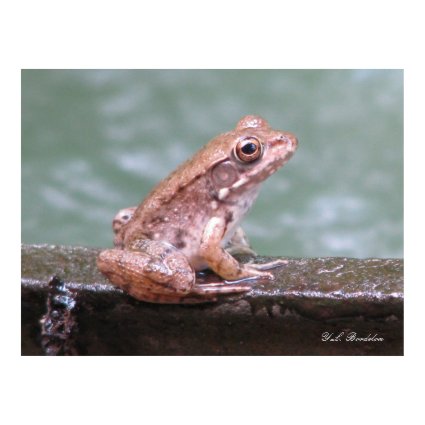
The cycle of life has been going on for thousands of years and interrupting part of the predator - prey - producer food chain by killing off one of the necessary links is foolish and counter productive. We need to overcome our irrational fear of some beneficial creatures and begin to welcome them into the garden. Reptiles and Amphibians are valuable pest controllers and very few, if any of them eat our fruits and vegetables, yet many of us kill them or chase them from our property. In Louisiana there are only 6 types of poisonous snakes. All the rest are harmless, non-poisonous species that eat rodents, insects, snails, slugs and a variety of other small prey. Many birds are also fantastic pest controllers. In our garden, Carolina Wrens and Prothonotary Warblers keep it pest free during the spring and summer while they are raising young.

3. Make a Rain Garden
Rain Garden construction can be as simple as utilizing an existing low spot in your yard so that the water drains off after a couple of days. Plant with native or other drought tolerant plants that will attract your favorite animal and it's done. You can find detailed plans for making a rain garden at: How to Build a Rain Garden

4. Create a Compost Pile
Composting improves your soil and the environment. It's a win-win situation when you utilize plant material that would normally go into landfills, in your flower or vegetable garden. There are a couple of wonderful videos by "Smell Like Dirt" on YouTube that show you, step by step, How to build a compost pile.
Compost Pile Part 1
Compost Pile Part 2


You can also find an abundance of good information about sustainability at Naturally Native Squids Headquarters. Here are a few more links to get you started:
A Compost List by TheresaMarkham gives you over 200 compost pile ingredients.
Squidoo Guide to Gardening by The_Party_Animal is a collection of the best gardening lenses on Squidoo.

We hope you'll take the challenge and spring into sustainability this year. Good gardening!

Wednesday, January 21, 2009

Creating Backyard Bird Habitats

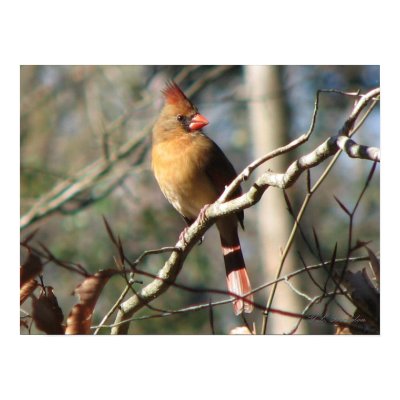
Female Cardinal print
As we look out on an unseasonably cold winter day and see over one hundred American Goldfinches, two to three dozen Northern Cardinals and an assortment of Chipping Sparrows, White-throated Sparrows, Carolina Chickadees and Tufted Titmice (to name a few), we revel at the beauty which they provide in our dull, drab winter yard. We also remember how scarce the birds were when we first bought our little piece of heaven. What has changed in the last 14 years that so drastically increased the number of birds, even after extreme natural disasters like Hurricane Katrina? The answer to this mystery is that we plant for the birds. We also feed them and provide water and nesting sites, but I think that planting native and old-fashioned, non-invasive flowering and fruiting plants really makes a difference. Anyone can do this, whether they live in a second story apartment or on acres in the country. Planting some nectar rich flowering or fruit bearing plants will bring birds to your doorstep. There are many benefits of gardening for birds. First, it’s helps the birds and other wildlife. And there's also the enjoyment of seeing lovely creatures on a daily basis that lifts your spirits and relaxes your mind. Lastly, it’s good for the environment and for you. Fruit trees and shrubs are not just for the birds. Humans can also enjoy and benefit from home grown produce.

There are a few Squidoo lensmasters who write about birds and we are one of them, but our meager collection of lenses pales in comparison to the Bird Lady of Squidoo, Elizabeth Jean Allen. If you are interested in learning more about a particular kind of bird, then check out her lenses because you’ll surely find one there. One of our favorites is Create a Backyard Bird Sanctuary which explains how to turn you backyard into a haven for birds.

Other good places to learn about welcoming birds into your yard are:
National Wildlife Federation Backyard Habitats
Audubon at Home
Backyard Wildlife Habitat Info

We hope that you'll start creating your own bird sanctuary as soon as the soil can be worked this winter. Happy Gardening and Happy Birding.

Saturday, January 10, 2009

2009 Green Living Gardening Trends


In post Katrina South Louisiana, the trends for 2009 lean towards edible gardens, vertical gardens, rain gardens and native plants, to name a few. How land is used, especially in the cities and suburbs, is changing from useless decorative landscapes to useful and cost effective ones. Edible and native plants are replacing manicured exotic turf lawns and formal gardens.

The concept of vertical gardening is big, too. Innovative projects proposed for large cities include giant greenhouses with food plants growing vertically. Theoretically, a city (like New York for example) could organically grow all the produce needed for its population and it would be of better quality and cheaper because transporting it long distances would not be required. More basic vertical gardens can be incorporated into any landscaping plans as the article, "Growing a Vertical Vegetable Garden" explains. Another benefit of vertical and sustainable gardening in cities and suburbs would be that many acres of worn out farm land could be returned to its native state. This would provide needed wildlife habitat and restore balance to the environment.

So as you look through the seed catalogs this winter, be sure to include some easy to grow vegetables and herbs in your order. Also consider adding islands of multipurpose native trees and shrubs like Mayhaws (Crataegus), Crabapples (Malus) and wild Blueberries (Vaccinium).

There are several fabulous lenses in our Naturally Native Squids Group that discuss this important subject so it was very hard to choose just one to feature. Since most of them discuss one aspect of Sustainable Gardening, we have decided to feature one for each topic.

Organic Gardening
Organic Food Gardening by Tigga gives the beginner a lot of good information about how to grow your own food, organically. There are many links to organic sites as well as books about the subject.

Growing Vegetables in Small Spaces
Growing tomatoes (and other stuff) by dannystaple shows you that you can grow your own produce, even if you live in an apartment. Danny shows you, step by step, how to grow tomatoes that taste ten times better than those in the supermarket.

Composting
You'll find a how-to on composting on A Compost List of Over 200 Compost Ingredients by TheresaMarkham. She gives many useful pointers and there is a long list of what materials can be composted that is very useful.

Natural Pest Control
Pesticides: Don't Kill the Good Guys by Stazjia details the chain reaction that the loss of insects can cause. Using natural forms of pest control will benefit everyone and everything in the long run.

Landscaping with Native Plants
We had to include one of ours, since there was no other lens that covered the subject quite as thoroughly. Gardening with Native Plants by naturegirl7 shows, step by step, how to landscape using native plants and also discusses composting, organic pest control and gives a list of easy to grow native plants organized by the season of blooming or fruiting.

For more information about Green Living Gardening Trends visit some of these other great sites:
Beneficial Insects
Sustainable Gardening
Brooklyn Botanic Garden: Sustainable Topics
Basics of Sustainable Gardening - Do It Yourself

After reading all of these informative, well written lenses and pages, we're sure that you will be ready to incorporate sustainable gardening into your landscape this spring. Happy gardening!
Saturday, January 3, 2009

Earth Day Should Be Every Day


As we begin the new year with the words, "Yes, We Can!" fresh in our minds, there is also hope that this new administration will say "Yes, We Can!" for the environment.

It is with this thought that we chose our first featured Naturally Native Squids lens to be Earth Day Should Be Every Day, by WhiteOak50 . You'll find many pointers on how to save money while also helping to save the environment and our precious Mother Earth. If we all do just one more thing toward living green, we will make a world of difference in the future of the Earth.

Naturally Native Squids Headquarters has many other featured lenses about being earth friendly and being green. We're hoping that you will join us in making one of your New Year's resolutions to incorporate more green living practices into your daily life.

Out With the Old ... in With the New - What's Hot, What's Not for 2009 from the Times Picayune, December 27, 2008 has a fantastic guide to go by. Here are a few of our favorites:

        IN                                                         OUT        
Celebrities who do rebuilding               Celebrities who do rehab
Vertical gardens                                  Horizontal gardens
Green building                                    Carbon-guzzling building
Renewable resources                           Disposable products
Edible gardens                                     English gardens
Home and community gardening           Imported produce
Rain gardens                                       Irrigation systems
Native plants                                       Exotic hybrids
Organic cleaners                                  Chemical cleansers
Smaller building footprints                    McMansions
Solar panels                                         Coal-burning power plants

For more information about Green Living, check out Green Living Tips and Mother Earth News.